Introduction
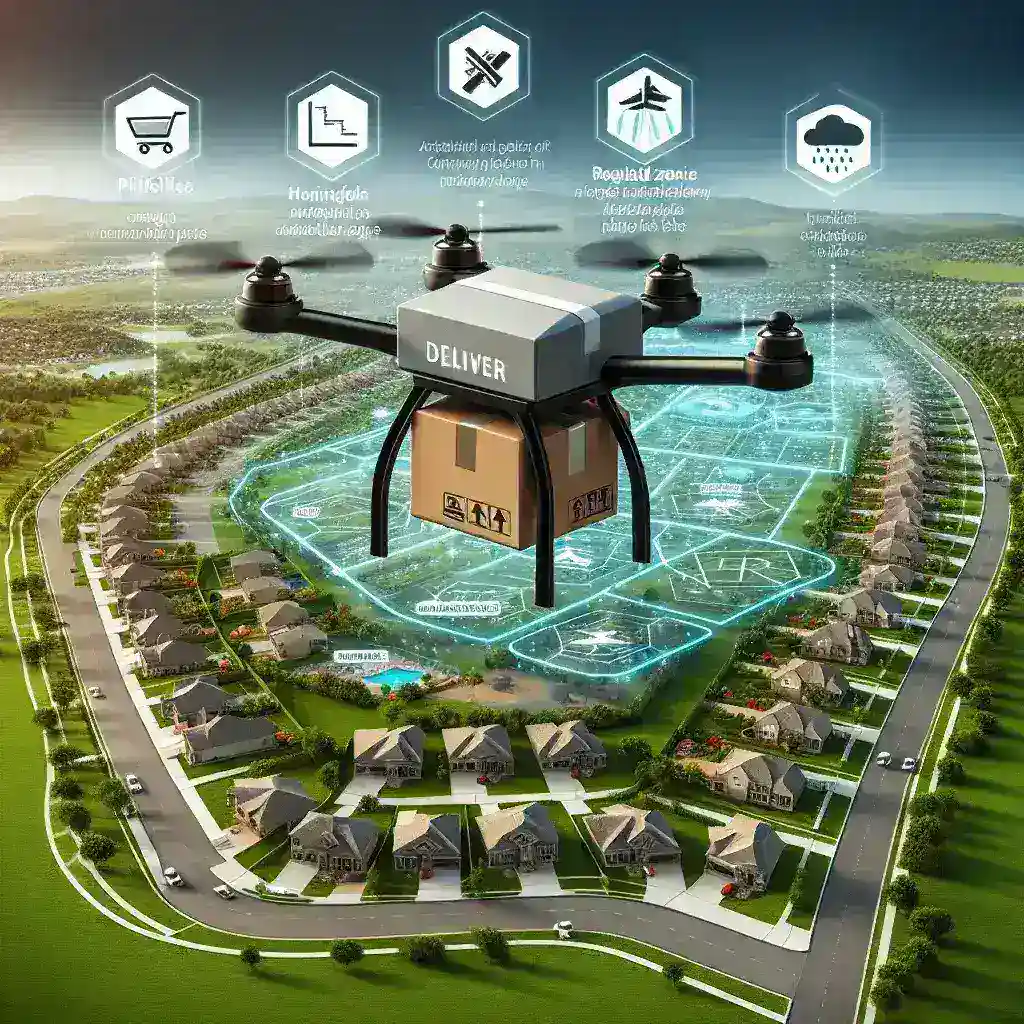
In recent years, the rapid advancement of drone technology has sparked interest in its potential for revolutionizing delivery services. As e-commerce continues to grow, many companies are exploring drone delivery pilot programs to meet consumer demands for faster and more efficient service. However, these programs face significant regulatory hurdles, particularly in suburban zones where safety and privacy concerns predominate.
The Rise of Drone Delivery
Drone delivery is not just a futuristic concept; it is becoming a reality. Companies like Amazon, Google, and UPS have initiated pilot programs aiming to use drones for the quick transport of packages. The convenience and speed offered by drones could drastically change logistics and last-mile delivery.
Why Suburban Zones?
Suburban areas present unique challenges and opportunities for drone delivery:
- Diverse Environments: Suburbs often include a mix of residential homes, parks, and commercial areas, creating varied landscapes for drone navigation.
- High Population Density: Although less dense than urban centers, many suburbs have significant populations that could benefit from quick delivery options.
Regulatory Challenges
Despite the potential benefits, regulatory frameworks have struggled to keep pace with technology. Here are some of the key regulatory hurdles that drone delivery pilot programs face in suburban areas:
1. Safety Concerns
Safety is a primary concern for regulators. Drones flying over populated areas pose risks, including the possibility of accidents or collisions. The Federal Aviation Administration (FAA) requires that drone operations meet strict safety standards, which can be difficult to achieve in suburban environments.
2. Privacy Issues
Suburban residents are often more sensitive regarding privacy because drones are capable of capturing video and images while flying. Regulations need to consider the balance between innovation and residents’ rights to privacy.
3. Airspace Management
Proper airspace management is essential to ensure safe drone operations. The integration of drones into existing air traffic systems poses challenges, especially in areas with other aviation activities, such as nearby airports.
4. Local Regulations
Beyond federal regulations, local jurisdictions often impose their own rules. Some communities have enacted ordinances to limit or prohibit drone flights, creating additional obstacles for pilot programs.
Examples of Pilot Programs
Several companies are currently conducting drone delivery pilot programs in suburban environments. Here are notable examples:
- Amazon Prime Air: Amazon has launched drone delivery trials in select suburban areas, focusing on efficiency and customer satisfaction.
- UPS Flight Forward: UPS has been testing drone deliveries in North Carolina, with a focus on healthcare delivery.
- Wing Aviation: A subsidiary of Alphabet, Wing has partnered with local businesses to test drone deliveries in various suburban markets.
Future Predictions
As technology evolves and regulatory frameworks adapt, the future of drone delivery in suburban zones looks promising. Here are some predictions:
- Increased Collaboration: Companies will likely need to collaborate with local governments to develop regulations that support safe and efficient operations.
- Advanced Technology: Innovations in drone technology, such as better navigation systems and enhanced safety features, will help address regulatory concerns.
- Public Acceptance: As awareness grows, public acceptance of drones could increase, easing some of the regulatory challenges.
Pros and Cons of Drone Delivery
While the benefits of drone delivery are clear, it is essential to consider the drawbacks:
Pros:
- Speed: Drones can deliver packages faster than traditional methods.
- Reduced Traffic: Drones can alleviate road congestion by taking deliveries to the air.
- Cost-Effective: Over time, drone deliveries could reduce logistics costs for companies.
Cons:
- Regulatory Delays: Ongoing regulatory challenges could slow the adoption of drone delivery.
- Safety Risks: Potential accidents or malfunctions are a concern for public safety.
- Public Pushback: Resistance from communities wary of privacy and noise issues could hinder operations.
Conclusion
Drone delivery pilot programs in suburban zones face a complex landscape of regulatory hurdles. While the potential benefits are immense, safety, privacy, airspace management, and local regulations must be carefully navigated. As technology continues to advance, a collaborative approach between companies, regulators, and communities will be essential to unlock the full potential of drone delivery services. With the right frameworks in place, suburban areas could see a significant transformation in how goods are delivered, ultimately benefiting consumers and businesses alike.








Leave a Reply